









Key Takeaways
- Pricing and scalability: Enterprise virtual data room providers often charge prohibitive per-page fees, whereas modern solutions offer transparent flat-rate pricing built for early-stage startups.
- Security and access: Granular permission settings prevent sensitive intellectual property from being downloaded or shared unauthorized during rigorous due diligence rounds.
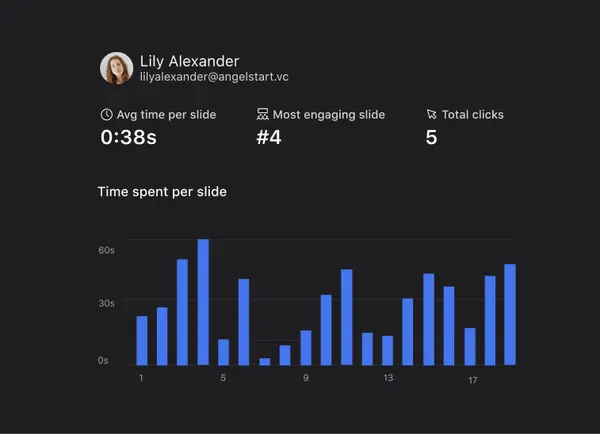
- Investor engagement analytics: Advanced tracking features show founders exactly which institutional investors are viewing specific financial models and legal documents.
- Frictionless user experience: Complex interfaces delay deal momentum, making intuitive navigation a necessary feature for both your internal team and your prospective lead investors.
- Proactive data organization: Establishing your data room structure months before an active fundraise signals operational excellence to top-tier venture capital firms.
What is venture capital portfolio management software? It is a centralized digital platform that enables General Partners (GPs) to track portfolio company performance, manage cap tables, automate compliance, and streamline reporting for Limited Partners (LPs).
In an increasingly complex financial landscape, scaling a fund requires more than just legacy spreadsheets. Modern VC portfolio management software has become an indispensable tool for investors seeking to streamline fund operations and gain real-time visibility into their investments. By centralizing data from various sources, these platforms allow GPs to monitor key financial benchmarks, like IRR (Internal Rate of Return) and TVPI (Total Value to Paid-In capital), without being bogged down by manual data entry. The shift toward specialized venture capital portfolio management software reflects a growing demand from LPs for total transparency, speed, and precision in fund operations.
Core Features of the Best VC Portfolio Management Software
Choosing the right platform is critical for funds that want to maintain a competitive edge and optimize their workflows. The top solutions go far beyond basic tracking, offering integrated suites designed specifically for the nuances of the venture ecosystem.
When evaluating platforms, these are the essential features to look for:
- Real-Time Cap Table Management: Automatically track ownership percentages, dilution, and complex equity structures as your portfolio companies raise subsequent rounds.
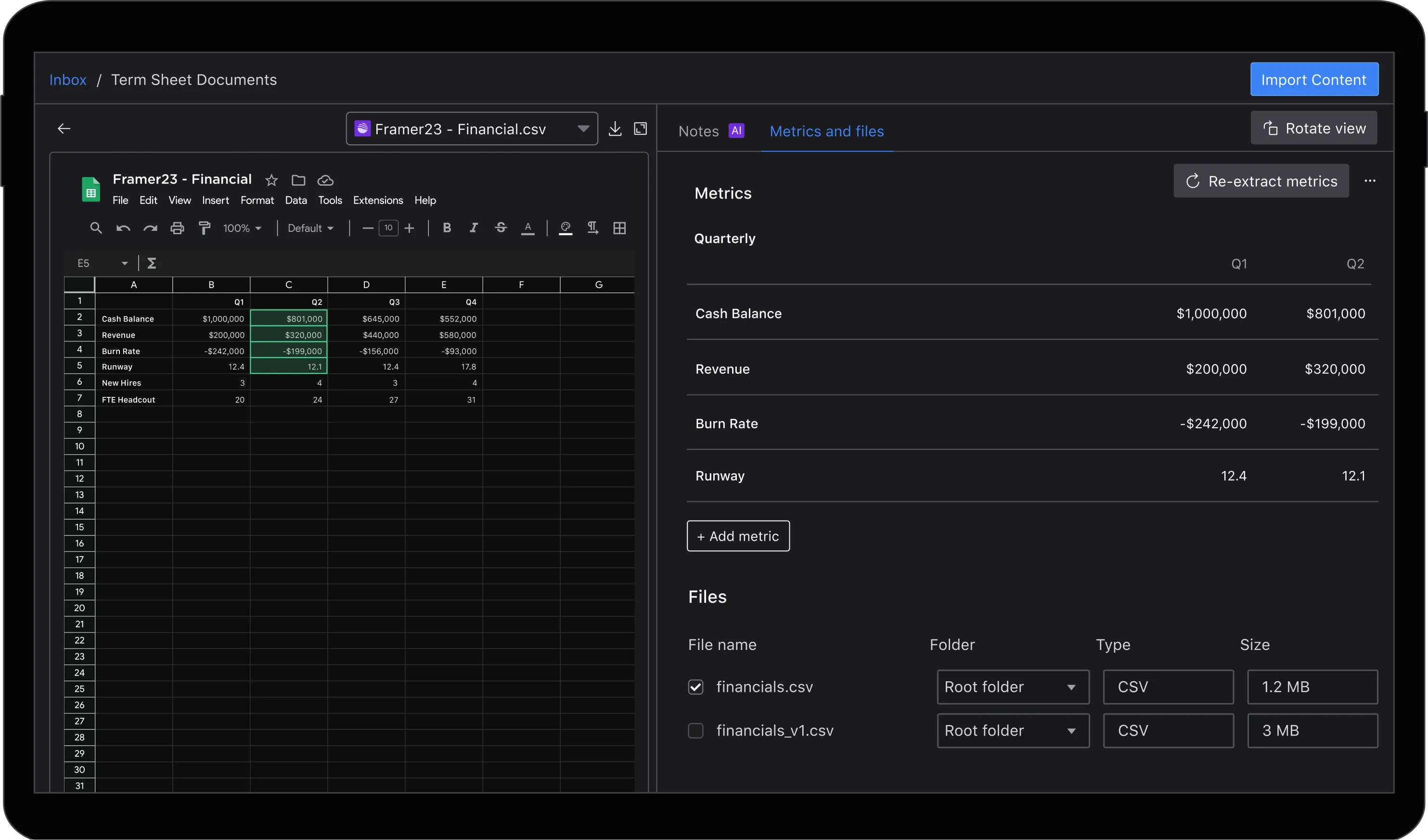
- Automated KPI & Metric Tracking: Seamlessly collect financial and operational data directly from founders to monitor holistic fund performance, accurately tracking essential metrics like IRR, MOIC, and TVPI.
- Capital Call & Distribution Automation: Execute capital calls and manage complex waterfall calculations to ensure precise, compliant distributions back to your LPs.
- Customizable LP Reporting: Generate standardized, highly professional dashboards and tear sheets that keep Limited Partners informed, engaged, and confident in your fund's trajectory.
- Centralized Document Management: Consolidate qualitative insights, including founder updates, financials, and board meeting notes, creating a single source of truth for the entire investment team.
Why Free Portfolio Management Software Falls Short for Growing Funds
The allure of a free portfolio tracking tool is undeniable, especially for emerging managers or micro-funds looking to minimize overhead costs. However, while free VC portfolio management software might provide a temporary solution for basic tracking, it quickly becomes a bottleneck as a fund scales.
General Partners who rely on free or generic tools often run into critical limitations:
- Inadequate Support for Complex Structures: Most free versions are built for general equity tracking and cannot handle the nuanced needs of venture capital, such as managing SPVs (Special Purpose Vehicles), complex fund hierarchies, and specific LP arrangements.
- Security and Compliance Risks: Venture capital involves highly sensitive financial data and proprietary cap tables. LPs expect enterprise-grade security (like SOC 2 compliance), which free platforms rarely provide, leaving your fund's data vulnerable.
- Manual Data Entry & Human Error: The functionality of free software typically caps at basic performance metrics. This forces your team to manually input valuation updates and founder metrics into spreadsheets, a process that drains time and introduces costly human errors.
For investors aiming to scale effectively, migrating from rudimentary tools to a comprehensive, secure platform is a necessary step to maintain operational efficiency and LP trust.
The Role of VC Portfolio Management Software in Fund Operations
Beyond simply monitoring valuations, specialized software serves as the central engine for your back-office fund operations. It automates the historically manual, error-prone tasks that drain a GP's time, allowing the investment team to focus on sourcing deals and supporting founders.
Implementing a robust platform streamlines several critical operational workflows:
- Frictionless Audits & Compliance: By centralizing all data, documents, and transaction histories, the software creates a clean, easily accessible audit trail, making annual audits and regulatory reporting seamless.
- Global Fund Management: As venture capital expands across borders, modern platforms support multi-currency accounting and localized regulatory compliance, ensuring that no detail falls through the cracks when investing internationally.
- Proactive Risk Management: With all fund activities centralized in a single source of truth, GPs can quickly identify early warning signs in portfolio company performance and deploy strategic support before the fund's overall returns are impacted.
Enhancing Visibility with Advanced Portfolio Monitoring
A well-constructed portfolio is only as strong as the monitoring system behind it. In the venture ecosystem, where market dynamics shift rapidly, relying on outdated quarterly updates is no longer sufficient.
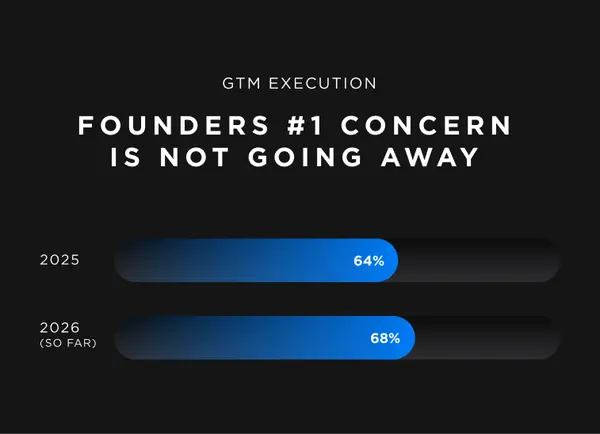
Across Visible's customer base, the share of metrics extracted via AI Inbox rather than entered manually has risen from 10% to over 40%+, according to the Visible AI Sentiment Report Volume 1 2026.
Eric Acher, cofounder of Monashees, put a name on what is moving in Fortune. "No doubt that AI is changing really fast, and it's changing the half-life of a thesis." A quarterly reporting cadence assumes the thesis holds for the quarter.
Advanced VC portfolio management software transforms passive tracking into active, data-driven decision-making through several key mechanisms:
- Predictive Analytics & Scenario Modeling: Go beyond historical data by forecasting how future follow-on rounds, varying exit multiples, or market downturns will impact your fund's overall returns.
- Automated Alert Systems: Set custom thresholds for your portfolio companies' burn rates, revenue milestones, or cash runways. The software automatically alerts the GP if a startup is trending off track, allowing for proactive intervention.
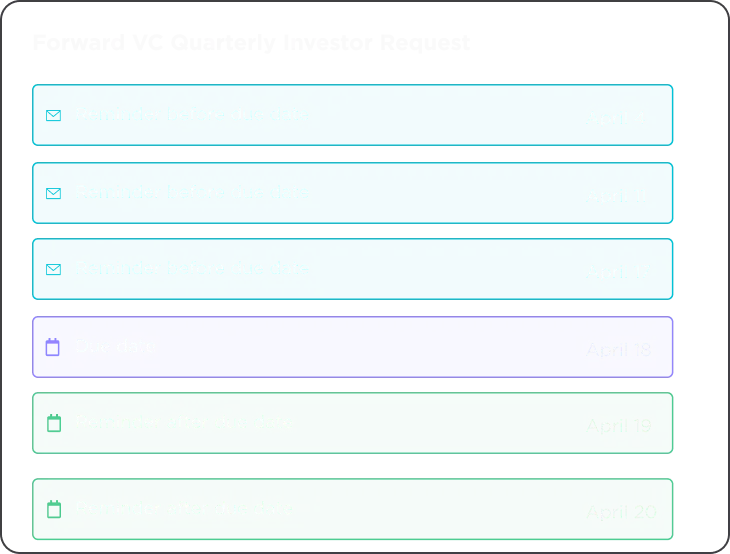
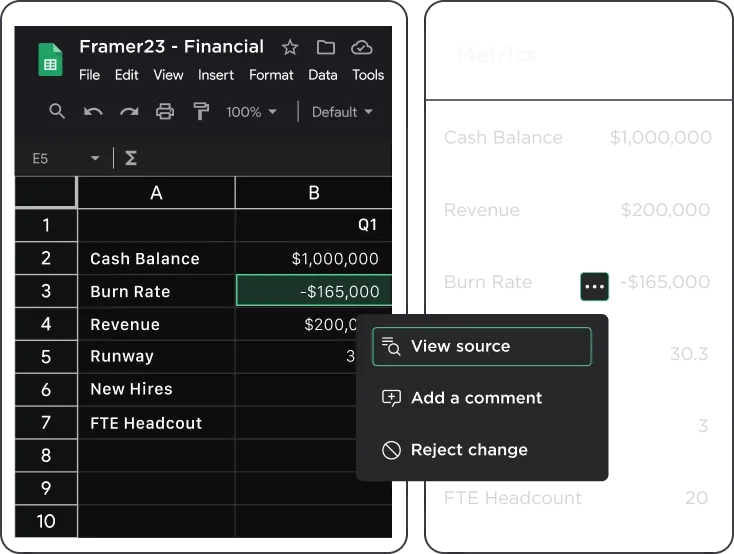
- Standardized Metric Collection: Instead of chasing founders via email for bespoke metrics, modern platforms provide standardized portals where founders can easily upload their monthly KPIs, ensuring you always have a real-time pulse on portfolio health.
By leveraging sophisticated portfolio monitoring, fund managers transition from reacting to past performance to proactively shaping future outcomes.
Future Trends in Venture Capital Portfolio Management Software
The landscape of fund administration is evolving rapidly, driven by LP expectations and technological advancements. As competition for capital intensifies, staying ahead means adopting tools that leverage the latest innovations.
Key trends shaping the future of venture capital software include:
- AI-Assisted Insights: Artificial intelligence is being integrated to analyze massive datasets, helping GPs identify hidden market trends and optimize asset allocation across different vintages.
- ESG Metric Integration: With LPs increasingly prioritizing responsible investing, modern software is adapting to track and report on Environmental, Social, and Governance (ESG) compliance alongside traditional financial metrics.
- LP Portal Consumerization: The days of sending static PDF tear sheets are ending. The future is interactive, mobile-friendly LP portals where investors can log in on-demand to view real-time fund performance, capital accounts, and founder updates.
Frequently Asked Questions
How much do virtual data room providers typically cost for early-stage startups?
Pricing for virtual data room providers varies widely based on features and storage, but startups can generally expect to pay between $20 and $200 per month. Avoid enterprise-tier options that charge prohibitive per-page fees during early fundraising rounds.
- Flat-rate monthly subscriptions offer predictable expenses for seed and Series A companies.
- Per-page data pricing models should be rejected to protect startup cash reserves.
- Annual commitments often secure lower rates once a primary vendor is vetted and chosen.
What is the difference between standard cloud storage and virtual data room providers?
While standard cloud storage is built for internal file sharing, virtual data room providers are engineered specifically for highly secure, external financial transactions. They give founders strict control over document access during institutional investor due diligence.
- VDRs offer granular permissions, such as view-only access and dynamic document watermarking.
- Standard cloud storage tools lack the investor engagement analytics and activity tracking logs needed during fundraising.
- Purpose-built VDRs provide a professional, branded interface that signals operational maturity to venture capitalists.
When should a founder begin setting up their virtual data room?
Founders should organize their virtual data room at least three months before officially launching a fundraising process or engaging institutional investors. Establishing the data room early prevents operational bottlenecks when venture capital firms request immediate access to financial models.
- Early setup allows legal counsel to review corporate documents for compliance issues before investors see them.
- Logically organized folders demonstrate operational excellence and readiness to prospective lead investors.
- Pre-loading data prevents founders from scrambling to locate files during critical deal-making windows.
What specific security features must virtual data room providers offer?
The best virtual data room providers secure intellectual property by offering robust encryption, multi-factor authentication, and customizable user permissions. These safeguards ensure that sensitive corporate data cannot be forwarded or retained by unauthorized third parties.
- Dynamic watermarking deters screen capturing by stamping the viewer's email address directly on documents.
- Remote shredding allows founders to instantly revoke document access even after a file is downloaded.
- Detailed audit trails record every login, view, and download attempt to maintain strict compliance tracking.
How do virtual data room providers help close venture capital rounds faster?
Virtual data room providers accelerate fundraising by centralizing all due diligence materials, allowing institutional investors to review critical information without friction. Built-in engagement analytics also let founders see exactly which venture capital firms are actively evaluating the deal.
- Centralized Q&A modules streamline investor questions and eliminate confusing, buried email threads.
- Analytics reveal investor intent, helping founders prioritize follow-up calls with the most engaged firms.
- A structured file index allows financial analysts to locate key legal and operational data instantly.