
Key Takeaways
-
A well-organized data room accelerates fundraising by building investor confidence and reducing friction during due diligence.
-
Include high-level company materials, financials, legal documents, team bios, product assets, and market insights
-
Use clear folder structures and descriptive file names to make navigation intuitive for potential investors.
-
Start preparing your data room before fundraising begins to move quickly on investor interest and demonstrate operational readiness
-
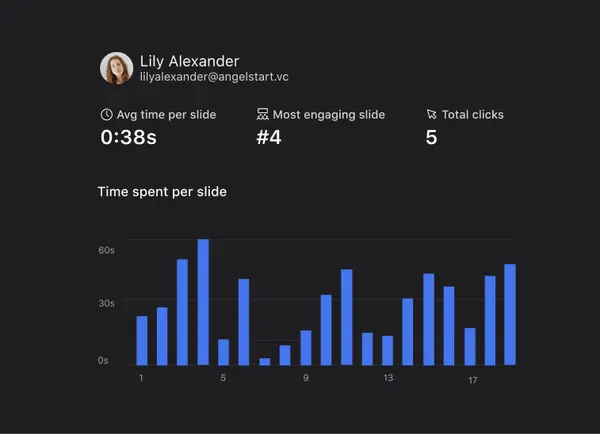
Modern tools like Visible give founders visibility into investor engagement and streamline access control.
When you are raising capital for your startup, a well‑organized data room is one of your strongest strategic tools. Investors will evaluate not just what you include, but how you organize and present it. A data room that reflects clarity, completeness, and thoughtful connection to your story accelerates investor confidence and helps you build meaningful relationships throughout the fundraising process.
Understanding the Data Room
A data room is a secure, centralized repository where founders store the documents investors need to conduct diligence. In modern fundraising, this is a digital environment where you control access, monitor engagement, and organize materials in a way that reflects your company’s narrative. A detailed definition and the reasons it matters are outlined in our guide to data rooms.
More than document storage, your data room reflects your team’s approach to transparency, trust, and relationship-building. When an investor enters your data room, they should feel guided through your business’s evolution and future potential—just as much as they’re reviewing materials.
Core Documents Every Data Room Needs
Company Overview Materials
Start with the high‑level documents that give investors the context they need. This includes your pitch deck, which should summarize your business opportunity, traction, and roadmap. Follow with a short company overview that shares your mission, vision, and strategic direction. We outline these early-stage materials in our startup data room checklist.
Including a short founder note or recorded message can go a long way. When investors see who’s behind the numbers and why this company exists, they’re more likely to lean in. Make it personal, not just professional.
Financial Documentation
Financial transparency is non-negotiable. Include:
- Historical financials: profit and loss, balance sheet, and cash flow statements from the past 2–3 years.
- Projections: 3–5 years forward with clear assumptions.
- Cap table: current ownership, option pools, and any convertible instruments.
Investors want to understand the “why” behind the numbers. A short summary explaining key drivers of growth or shifts in spend gives your financials more meaning. Many Visible founders include a one-pager that bridges performance with context to preempt common investor questions.
Learn how to track and communicate key metrics like ARR, LTV, CAC, and retention in this financial metrics guide.
Legal and Corporate Documents
These materials help investors verify your legal structure and mitigate risk. Include:
- Incorporation documents and amendments
- Board minutes and resolutions
- Major customer, vendor, or partner contracts
- Intellectual property documentation (patents, trademarks, IP assignments)
A simple document index that outlines what each file is and why it matters helps investors move quickly and builds confidence that you’re organized and prepared.
Team Information
Investors often say they invest in teams before products. Share:
- Bios for founders and key team members that highlight relevant experience
- Your org chart with current structure
- Employment and advisory agreements tied to equity or retention
Consider including a short section on your team’s culture and hiring roadmap. It gives investors a clearer view of how you’re building toward long-term execution.
Product and Technology Assets
Show what you’ve built and how it’s evolving. Include:
- Product roadmap
- Technical architecture and process documentation
- Product demos or screenshots
- Customer-facing materials like one-pagers or use case studies
When possible, tie product development to real customer feedback or outcomes. Highlighting what your product has enabled—not just what it does—helps investors understand the value you’re delivering in-market.
Market and Commercial Information
A well-articulated go-to-market strategy builds conviction. Include:
- Market sizing (TAM, SAM, SOM)
- Competitive landscape
- Sales pipeline snapshots
- Commercial traction: testimonials, case studies, or logos
If you have customer reference letters, partnership agreements, or LOIs, add them here to validate early momentum. The more you can show proof over promise, the more trust you’ll build.
Organization Best Practices
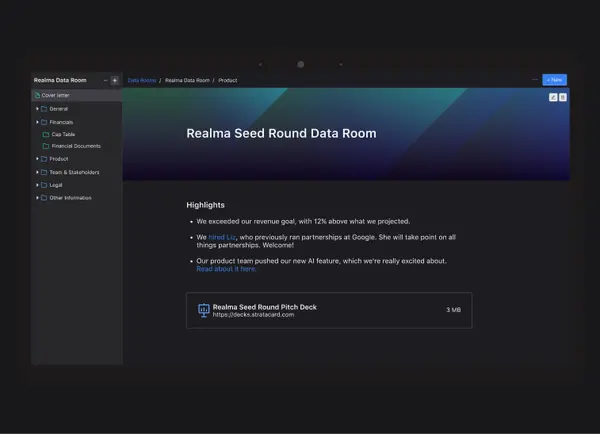
Structure matters. Investors should be able to navigate your data room without friction. Use intuitive folders like:
- Company Overview
- Financials
- Legal & IP
- Team
- Product
- Market & Commercial
Keep file names clear and descriptive. “2025_Q1_Financials.pdf” is easier to process than “final_final_v3.pdf.” Many founders include a single cover sheet or document map at the top level to introduce what’s included and why.
Visible’s data rooms make it easy to organize and present your story in a streamlined, professional way that invites deeper investor engagement.
What to Exclude from Your Data Room
Avoid including:
- Sensitive IP like raw source code or proprietary algorithms
- Detailed customer data or personally identifiable information
- Draft or outdated documents that create confusion
Every document should serve a purpose and be current. Your data room is a signal to investors—it should reflect the quality and intentionality of how you run your business.
Leveraging Technology for Your Data Room
Modern tools like Visible go far beyond basic document storage. You can:
- Track investor engagement with specific documents
- Grant tiered access as conversations progress
- Centralize communication and follow-up questions
When you know who’s engaging and where their attention is focused, you can tailor your outreach and move conversations forward more effectively.
Timing Your Data Room Preparation
Don’t wait for an investor to request materials before preparing. Your data room should be ready the moment you begin outreach. Founders who start early are able to move quickly on interest—and demonstrate professionalism from the start.
Plan to update your data room regularly. Quarterly updates are a good cadence. Outdated numbers or strategy slides can raise unnecessary red flags.
Start Building a Data Room Today
A well‑organized, up‑to‑date data room makes the fundraising process smoother for both you and your investors. It reflects how you operate, how you communicate, and how you build trust with future partners. Include the essentials, add context, and stay current.
Sign up for Visible for free to start building your investor data room today. You’ll get the tools you need to stay organized, connected, and ready to raise with confidence.
Frequently Asked Questions
What is a startup data room?
A data room is a secure digital space where founders organize key documents for investors during a fundraise. It includes materials like your pitch deck, financials, legal documents, and go-to-market plans—all in one place to support due diligence.
When should I create a data room?
You should begin preparing your data room before you start meeting with investors. Having it ready shows you're organized and serious, and it allows you to move quickly when interest arises.
What documents do investors expect in a data room?
Investors typically look for your pitch deck, financial statements, projections, cap table, incorporation docs, major contracts, IP information, team bios, and product roadmap. You can find a full breakdown in our data room checklist.
How can I organize my data room effectively?
Use clear folder names like “Financials” or “Team,” and descriptive file names so investors can find what they need without confusion. Platforms like Visible help automate this structure.
Do I need a special tool to create a data room?
While you can technically use file-sharing tools, purpose-built platforms like Visible give you engagement insights, access controls, and a more professional presentation—making it easier to manage the fundraising process.