
Key Takeaways
-
Consistency and transparency are the foundation of strong investor relations.
-
A simple monthly update, with clear metrics, challenges, and specific asks, can strengthen trust and unlock investor support.
-
Start building relationships well before you plan to raise. Fundraising is easier when investors already know your story.
-
Clear, consistent communication builds trust and increases your chances of securing follow-on funding.
-
Use templates like The Visible Standard Update to save time and streamline communication.
As a startup founder navigating the fundraising journey from seed to Series B, organizing investor relations should be treated as a core strategic function rather than an afterthought. While product development, customer acquisition, and team building are essential, how you manage communication with your investors and stakeholders directly influences your ability to secure follow‑on funding, unlock strategic guidance, and strengthen the partnerships that sustain your growth.
Founders who approach investor relations with structure, transparency, and consistency turn communication into a competitive advantage. A thoughtful investor relations strategy opens doors, deepens trust, and accelerates growth by transforming passive capital into active partnership.
Why Investor Relations Matter More Than You Think
Investor relations is not just a compliance task tied to board obligations or quarterly updates. When you treat investor communication as an ongoing strategic practice, investors become more than financial backers. They become advisors, connectors, and advocates.
Research shows founders who maintain regular, transparent communication with investors are more likely to secure follow‑on funding and access strategic resources. Investors value accountability, clarity, and forward‑looking thinking. Regular updates help investors understand your trajectory, even in challenging times.
Strong investor relations also create a feedback loop that enhances decision making. Your investors have seen patterns across multiple companies and can offer perspective that helps you avoid pitfalls and seize opportunities.
Establish a Structured Communication Framework
The foundation of effective investor relations is consistency. Establish a predictable communication cadence that fits your stage and context. For most early‑stage companies, monthly updates provide the right balance between engagement and efficiency.
Choose a specific day or week each month for your updates, such as the first Monday or the third Tuesday. Predictability signals professionalism and makes it easier for investors to engage with your content.
Your communication framework should include:
- Monthly written updates to all investors
- Quarterly investor calls or board meetings with predefined agendas
- Annual or semi‑annual in‑person gatherings when feasible
- Open channels for ad‑hoc conversations when material developments occur
Create and adopt standardized templates to simplify your workflow. Start with The Visible Standard Investor Update Template for a simple, repeatable format. If you’re backed by a major investor like 500 Global, use their customized 500 Global Investor Update Template to align with what they expect.
What to Include in Your Investor Updates
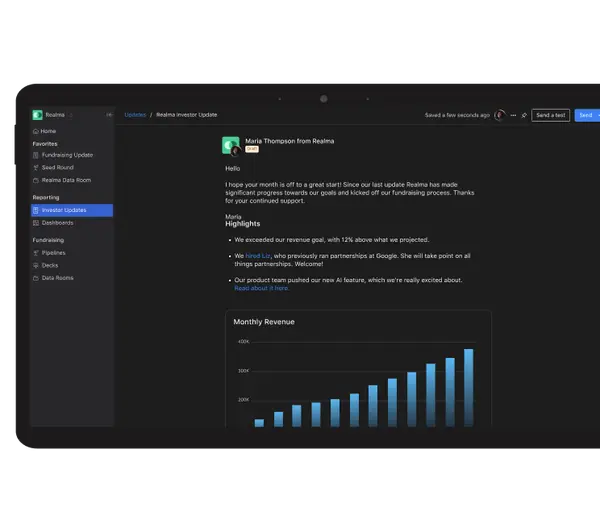
A strong investor update is structured, transparent, and easy to scan. Start with a short TL;DR at the top—two to three sentences that summarize your biggest wins and most important developments. Investors often read dozens of updates a month, so making the key points immediately clear boosts engagement.
Share 3–6 consistent metrics that reflect your company’s health, like MRR, runway, CAC, or churn. Avoid changing these month to month—tracking the same KPIs helps investors understand your progress and spot trends over time.
Highlight recent wins (new hires, customer growth, product launches) and don’t shy away from challenges. Address what’s not going well and how you plan to fix it. Transparency builds trust—and most investors prefer a clear view of obstacles over a polished picture.
Every update should include a short, specific ask. Instead of vague requests like “we’re hiring,” be direct: “We’re looking for intros to sales leaders at mid-market B2B SaaS companies.” Close with a quick thank you to investors who’ve helped recently to reinforce positive engagement.
Want examples or a framework to follow? Use The Visible Standard Investor Update Template or dive deeper with our guide to writing the perfect investor update.
Leverage Technology to Streamline Your Process
Managing investor relations through spreadsheets and manual emails becomes less sustainable as your investor base grows. Use modern investor relations tools to reduce manual work and improve communication quality.
Prioritize platforms that offer:
- Automated update distribution
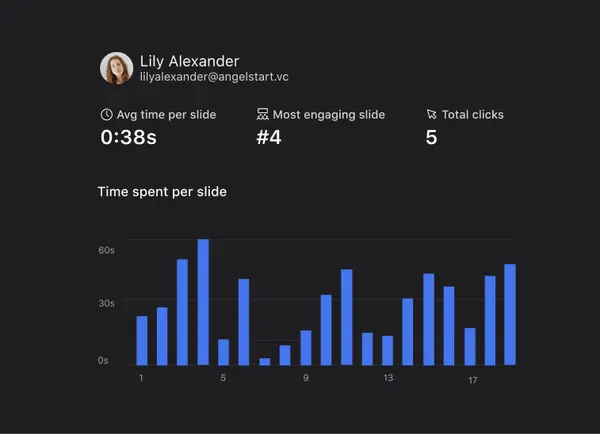
- Engagement tracking showing opens and reads
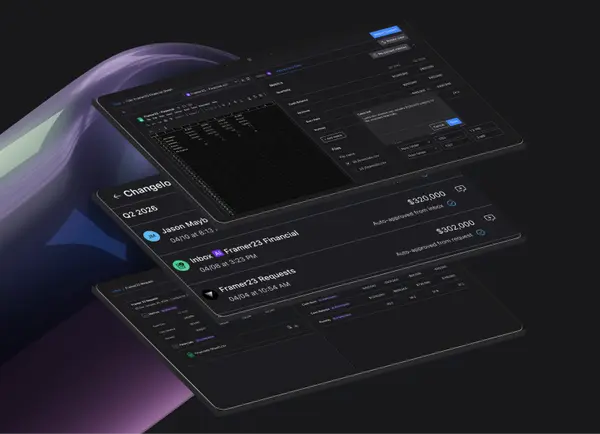
- Centralized dashboards for key metrics
- Secure data rooms for sensitive documents
Security matters. Choose tools with strong encryption, SOC 2 compliance, and robust permission controls to protect investor communications.
If you're still relying on static decks and scattered emails, explore how to modernize your approach with our guide to investor reporting.
Build Relationships Before You Need Them
Investor relations should begin well before active fundraising. Many founders fall into the trap of only reaching out when they are raising capital. This reactive approach limits your ability to establish genuine rapport.
Start conversations with potential investors 12 to 18 months before your planned raise. Share your vision, request advice, and offer periodic updates on progress. When you start fundraising, you will have an audience that already understands your business, has seen your trajectory, and has developed trust in your leadership.
This turns cold outreach into warm conversations with people who are already intellectually invested in your success.
Embrace Transparency, Especially During Challenges
The true test of your investor relations strategy is how you communicate during tough times. When you encounter missed targets, competitive threats, or operational setbacks, resist the urge to delay updates or minimize the issue.
Investors expect challenges. What sets founders apart is how they communicate about them. When delivering difficult news:
- Lead with the challenge
- Explain the context and underlying causes
- Present your concrete plan for addressing it
- Share relevant data that supports your perspective
Maintain your regular cadence. Consistent transparency during tough periods builds investor confidence and positions your leadership as resilient and accountable.
Transform Investors Into Strategic Partners
Effective investor relations goes beyond reporting. Treat investors as strategic partners, not just recipients of information. Engage them in meaningful ways:
- Bring strategic questions to investors before making major decisions
- Invite them to working groups around go‑to‑market strategy, product expansion, or international growth
- Host investor office hours where your leadership team can share context and receive feedback
This deeper engagement helps investors understand your business at a strategic level. Investors who feel involved become powerful advocates, facilitating introductions, providing references, and supporting follow‑on rounds.
The Compound Effect of Consistent Communication
Strong investor relations is rooted in respect, transparency, and consistency. When you communicate regularly, honestly, and with purpose, you build trust that compounds over time.
Investors who understand your business are more likely to:
- Champion your company within their networks
- Participate in future funding rounds
- Provide meaningful introductions and insights
Your reputation as a founder who communicates well becomes one of your most valuable assets in the venture ecosystem.
Organizing your investor relations does not require complex systems or hours of weekly work. It requires commitment to consistency, transparent documentation of progress and challenges, and a framework that makes communication systematic rather than sporadic.
Start with a simple monthly update, be honest about both wins and challenges, use structured templates to scale your process, and watch how your investor relationships evolve into strategic partnerships that accelerate your startup’s growth. Sign up for Visible and send your next investor update here.
Frequently Asked Questions
What’s the best way to organize investor relations as a startup?
Start with a consistent monthly update cadence. Use a repeatable structure, like The Visible Standard Update Template, to track metrics, share progress, and build investor trust over time.
How can I improve communication with my investors and stakeholders?
Be transparent, concise, and consistent. Share both wins and challenges, include specific asks, and keep stakeholders engaged with regular updates and occasional 1:1 or board-level conversations.
How often should I send investor updates?
Most early-stage startups benefit from sending monthly updates. It keeps communication consistent without being overwhelming.
What should I include in an investor update?
A brief summary, key metrics, recent wins, challenges, specific asks, and investor shoutouts. Here’s a full breakdown.
What tools can I use to manage investor communications?
Tools like Visible automate update distribution, track engagement, and centralize reporting so you can scale communication efficiently.