











Key Takeaways
-
DDQs are a core part of both fundraising and diligence. VCs must manage them on both sides of the table.
-
A centralized hub for fund data and documents helps VCs keep LP responses accurate and up to date.
-
Reusable templates and structured workflows speed up both founder diligence and LP reporting.
-
Clear, consistent communication builds trust with LPs and creates a smoother experience for founders.
trust, and manage relationships. Whether you're responding to LPs or vetting a new investment, the due diligence questionnaire (DDQ) plays a key role.
As funds scale, so does the volume and complexity of these requests. LPs expect detailed disclosures. Founders expect professionalism and clarity. Managing both inbound and outbound DDQs efficiently has become a defining operational strength for high-performing firms.
This guide breaks down best practices for both sides of the DDQ process, along with templates and tools to help your team scale diligence without sacrificing depth.
Two Sides of the DDQ Process
In venture capital, DDQs typically fall into two categories:
Inbound DDQs from LPs
These are formal questionnaires that limited partners (LPs) send to general partners (GPs) during fundraising or annual governance cycles. They’re designed to evaluate your firm’s:
- Investment strategy and track record
- Governance and compliance policies
- ESG and DEI integration
- Legal, financial, and operational structure
For LPs, these questionnaires are more than a compliance step. They’re a structured way to benchmark firms and ensure alignment with their mandates.
Most institutional LPs rely on frameworks like the ILPA DDQ template, which offers a consistent starting point for disclosure across areas like fund economics, fees, succession planning, and risk controls.
Pro tip: Having a standardized DDQ response on hand can dramatically reduce turnaround time during a fundraise and demonstrate operational maturity to LPs.
Outbound DDQs to Founders
On the other side of the table, VCs use outbound DDQs to evaluate startup investments. These are structured requests for information covering key areas like:
- Financial metrics and revenue breakdown
- Customer concentration and contracts
- Cap table structure and ownership
- Regulatory or IP-related risk
Founder DDQs also support internal workflows. Many firms use standardized templates to ensure consistency across diligence processes, especially when evaluating multiple companies or sectors in parallel.
Founders often appreciate receiving a thoughtful, well-organized DDQ, it signals professionalism and gives them a clear path for sharing key information.
Why DDQs Matter Beyond the Documents
The most effective DDQs do more than check boxes. They offer a window into how your firm thinks, how you operate, and how you build relationships.
For LPs, a clear and thorough DDQ response builds confidence in your team and processes. For founders, a well-structured DDQ shows that your firm is intentional, transparent, and prepared to move efficiently through diligence.
At a time when speed and trust matter more than ever, DDQs aren’t just part of the workflow—they’re part of your brand.
What Operationally Mature Firms Do Differently
Top-performing VC firms treat DDQs as an extension of their communication strategy. Here’s how:
- They centralize answers. Reusing core responses across LPs or deals saves time and ensures consistency.
- They align the DDQ with their firm narrative. Explaining why you invest the way you do helps LPs understand your edge.
- They keep materials updated. Ongoing governance requires recurring updates, especially for LPs with annual reporting cycles.
- They use templates that scale. Standardized outbound DDQs streamline internal decision-making and reduce friction for founders.
Tools and Templates to Support the DDQ Process
Whether you're responding to LPs or sending DDQs to founders, the right tools make all the difference. Many firms use checklists, Excel templates, or shared folders—but these can quickly become unmanageable as the number of requests grows.
Consider building a scalable system that includes:
- A centralized hub for DDQ responses and supporting documents
- Reusable templates tailored by investment stage or sector
- Collaborative workflows across team members, analysts, and partners
- Clear reporting outputs for LPs that extend beyond the DDQ
How Visible Helps VC Firms Scale Due Diligence and Reporting
At Visible, we help investors streamline how they communicate with founders, share requests, and report to LPs. All in one platform.
Our tools make it easy to:
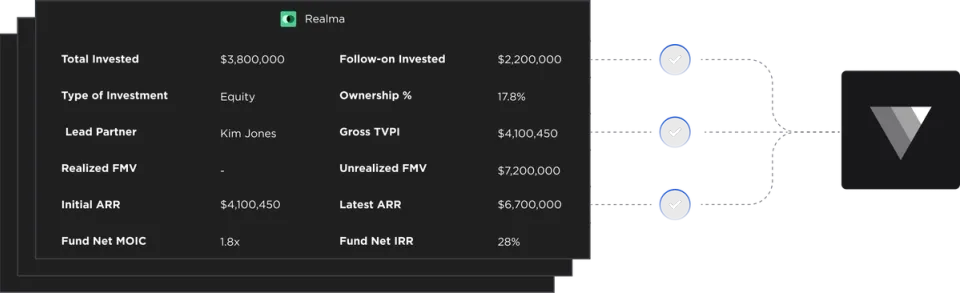
- Keep LP DDQ answers up to date with a centralized hub for fund performance, portfolio data, and operational documents
- Quickly respond to inbound LP requests using templates, saved responses, and version-controlled data
- Ensure consistency across LP communications with structured, repeatable workflows that reduce manual effort
Firms use Visible to move faster through diligence, improve founder experience, and deepen LP trust with reliable, transparent reporting.
Looking to scale how you handle DDQs and LP reporting? Explore Visible