
Key Takeaways
-
Investor reporting helps build trust, align stakeholders, and increase your chances of raising follow-on funding.
-
Consistent updates don’t need to be long, they need to be timely, honest, and easy to digest.
-
Investor updates and board updates serve different purposes and audiences; both are essential.
-
Founders who report regularly are twice as likely to raise more capital.
-
Tools like Visible make investor reporting repeatable, professional, and measurable.
-
Great investor updates include key metrics, brief narratives, challenges, and specific asks.
Whether you’re raising your first round or managing an active investor network, investor reporting is one of the most important communication habits a founder can build. It’s how you keep stakeholders informed, build trust, and unlock the support your business needs to grow.
In this guide, we’ll break down what investor reporting is, why it matters for early-stage startups, how it differs from board communication, and the best practices founders are following in 2026 and beyond.
What Is Investor Reporting?
Investor reporting is the act of sharing key qualitative and quantitative information with your financial investors. While the format and depth of these reports may vary based on company stage and industry, the goal is always the same: to keep stakeholders informed, aligned, and engaged.
At early-stage startups, investor reporting often takes the form of monthly or quarterly email updates. These typically highlight key metrics, progress toward goals, challenges, and ways investors can help. For public companies, investor reporting is a more formal and regulated process involving press releases, board meetings, SEC filings, and financial disclosures.
Whether you’re two founders in a garage or operating with 30,000 employees across the globe, investor reporting is a vital part of running a successful business.
Why Investor Reporting Matters
Investor reporting isn’t just about transparency. It’s about connection. When done well, investor reporting strengthens trust, creates alignment, and keeps the lines of communication open between founders and their stakeholders.
According to Visible’s platform data, startups that send consistent investor updates are twice as likely to raise follow-on funding. Beyond capital, consistent communication often unlocks introductions, strategic advice, and a more supportive network.
Learn more: How to Write the Perfect Investor Update
Are Investor Updates Really Necessary?
Yes. Investor updates are one of the most important habits a founder can build. Consistent updates help you stay top-of-mind, build trust, and activate your network.
Founders who regularly send updates are more likely to get follow-on funding, receive support, and maintain momentum, even between rounds. Silence creates uncertainty, and uncertainty erodes confidence.
These updates don’t need to be lengthy. What matters most is consistency, clarity, and making it easy for others to support your growth.
A short update on time beats a long update that never gets sent.
Need help getting started? Read How to Write the Perfect Investor Update.
What Metrics Should You Include in an Investor Report?
Metrics should be tailored to your stage and business model. In general, include:
- Revenue and MRR
- Burn rate and runway
- Active customers or users
- Churn or retention
- Key milestones or OKRs
Always include a brief narrative or commentary to add context around the numbers.
Learn more about what investors care about in updates: How to Write the Perfect Investor Update
What’s the Difference Between Investor Updates and Board Updates?
Investor updates and board updates serve different purposes:
Investor Updates
- Sent monthly or quarterly
- High-level and forward-looking
- Shared with a broader group of investors (and sometimes prospects)
- Aimed at keeping investors engaged and informed
Board Updates
- Sent in advance of formal board meetings
- Operational and strategy-focused
- Shared with a small group of key decision-makers
- Used to support governance and oversight
Investor updates nurture your wider network. Board updates drive accountability at the leadership level. Both matter. Each deserves a clear structure and cadence.
See also: Investor Updates FAQ
Best Practices for Investor Reporting in 2026
While formats may evolve, the fundamentals remain the same. In 2026, follow these best practices:
- Be consistent. Set a cadence (monthly or quarterly) and stick with it.
- Keep it clear. Focus on meaningful metrics, context, and a concise narrative.
- Tailor by stage. Early-stage companies focus on product velocity and traction; growth-stage companies can go deeper into retention and margins.
- Be transparent. Investors want to know the good and the bad. Include challenges and how you're addressing them.
- Segment your audience. Use tools like Visible to customize communication based on engagement level.
- Include specific asks. Make it easy for investors to step in and help.
Related: How to Organize Investor Relations and Stakeholder Communication
Investor Reporting Software
Most founders know they should be sending updates, but staying consistent can be difficult. That’s where reporting tools come in.
Visible makes investor reporting simple. With features like data integrations, beautiful charts, stakeholder segmentation, and engagement tracking, you can build a repeatable, professional update process.
Visible Updates let you:
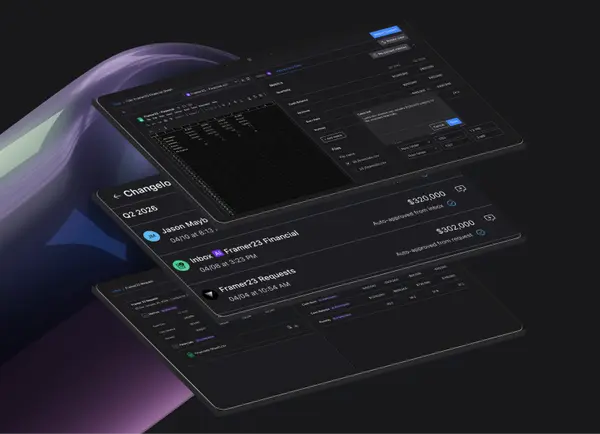
- Automate data collection
- Add qualitative commentary
- Send via email, Slack, or PDF
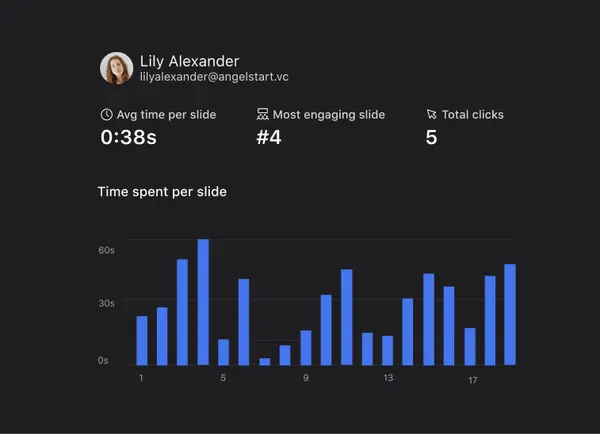
- Track engagement
Whether you’re communicating with your board, active investors, or potential backers, Visible helps you streamline your process.
Related read: What Are the Key Features I Should Look For in an Investor Reporting Tool?
Investor Report Examples and Email Templates
Looking for inspiration? Explore investor report examples and email templates from:
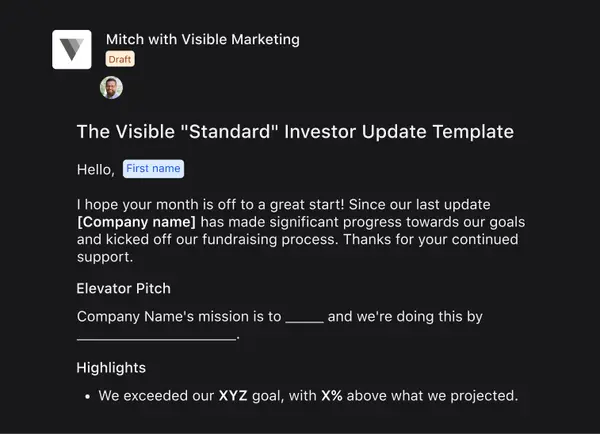
These templates provide clear, repeatable structures for sharing metrics, progress, challenges, and asks. Use them to build your first update or improve your current one.
Start here: Investor Update Templates and Examples
Portfolio Management Software for Investors
Founders aren’t the only ones who benefit from investor reporting. For VCs and angel investors, managing data across a portfolio is critical.
With Visible for Investors, firms can:
- Centralize founder updates
- Automate update requests
- Collect structured data across the portfolio
- Share firm-wide reports with LPs
Whether you're an investor or a founder, great reporting helps you stay aligned and make smarter decisions.
Final Thoughts
Investor reporting isn’t just a task. It’s one of the most powerful ways to build trust, strengthen relationships, and stay top-of-mind with the people who’ve backed your vision.
Great reporting helps you raise capital, unlock support, and operate with more clarity. It shows your investors, and your team, that you’re thoughtful, consistent, and in control, even when things aren’t perfect.
At Visible, we believe that thriving startups are built through connection. That’s why we’ve created a platform that makes it easy to turn your investor reporting into a repeatable, professional, and relationship-driven habit.
Sign up free to start building better investor relationships with Visible.
Frequently Asked Questions
What is the difference between investor updates and board updates?
Investor updates are typically high-level and shared more broadly, while board updates are more detailed and focused on strategy and oversight.
How often should I send investor updates?
Most early-stage founders send updates monthly. As your company grows, you may shift to quarterly updates.
What metrics should I include in an investor update?
Common metrics include revenue, MRR, burn rate, runway, customer growth, churn, and progress toward milestones.
Should I include bad news in my updates?
Yes. Transparency builds trust. Always pair challenges with context and what you’re doing to address them.
Do investor updates really impact fundraising?
Yes. Companies that regularly update their investors are twice as likely to raise follow-on funding, according to Visible platform data.