
























Key Takeaways
- Stage-matched tier: A platform built for private equity is overkill for a pre-seed startup, so founders should size an electronic data room to the round currently being raised.
- Usage pattern: Founders sharing quarterly updates with angels need lightweight access control, while a team deep in a seed or Series A round needs audit trails and granular analytics.
- Trial simulation: Founders should upload a sample investor checklist during a free trial and invite a colleague to navigate the result, because friction a colleague hits is friction an investor will hit.
- Mobile disqualifier: An investor who cannot open a pitch deck cleanly on a phone loses momentum, which makes weak mobile performance a reason to reject a provider outright.
- Curated navigation: Tagging files by financials, legal, product, and traction and opening with a welcome note turns a document set into a continuation of the pitch rather than a file dump.
Startups today are raising capital faster and more strategically than ever. One tool that has quietly become indispensable in this process is the electronic data room. Once reserved mostly for M&A transactions, these secure platforms are now integral to how startups share sensitive documents with investors, manage due diligence, and demonstrate transparency from day one.
The category has grown with them. Fortune Business Insights values the global virtual data room market at $3.4 billion in 2025 and projects $4.11 billion in 2026, a compound annual growth rate of 19.8% through 2034.
Choosing the right electronic data room providers is no longer a back-office decision—it’s a strategic one. For founders looking to streamline communications and maximize their fundraising potential, understanding the landscape of virtual data room providers is essential.
Why Startups Need a Virtual Data Room
Fundraising requires more than a pitch deck and a CRM. As soon as investor interest begins to build, so does the need for secure, organized, and professional document sharing. That’s where the virtual data room for startups comes into play.
Unlike email or cloud storage, virtual data rooms are built with due diligence in mind. They allow you to control document access, monitor viewer activity, and ensure compliance with investor expectations. A strong data room for investors checklist might include cap tables, financial statements, legal docs, product roadmaps, and market research—materials that need both confidentiality and accessibility.
Startups that use a dedicated electronic data room provider position themselves as more mature and investor-ready. It’s not just about storing files—it’s about building trust.
Key Features Founders Should Prioritize
With dozens of options on the market, the best virtual data room for startups balances usability, security, and insights. Founders should focus on providers that offer intuitive permission controls, version history, watermarking, audit trails, and investor analytics dashboards.
Cost transparency is also crucial. Virtual data room cost structures vary widely—from freemium models to enterprise-level pricing tiers. Understanding virtual data room pricing upfront helps avoid hidden fees. For early-stage teams, a focus on virtual data room for startups cost can guide whether to choose a lightweight or more robust solution.
At this stage, the goal is to find a tool that adds credibility without eating into runway. Look for a solution that’s not just secure, but founder-friendly.
Comparing the Best Electronic Data Room Providers
When evaluating the best electronic data room providers, context matters. A top-tier solution for private equity might be overkill for a pre-seed startup. The best data room providers for startups offer simple setups, flexible permissions, and investor-friendly interfaces.
Founders in the U.S. may prefer electronic data room providers in USA or those with U.S.-based data centers to align with privacy standards. Regional support, interface clarity, and documentation templates can also influence a decision.
The best electronic data room providers in USA typically offer dedicated startup plans, integrations with popular CRMs and investor tools, and fast onboarding—key advantages when time is tight and teams are lean.
Virtual Data Rooms and M&A: What Startups Should Know
Although most early-stage founders aren’t planning an acquisition tomorrow, understanding electronic data room providers M&A can pay off in the long run. The same structure that supports an investor update today may serve as your due diligence vault tomorrow.
Many M&A data room providers cater to later-stage or enterprise-level transactions, but learning their standards early can help founders build clean, auditable documentation from the start. This reduces friction if an acquisition opportunity arises and signals readiness to future partners.
Navigating the Evaluation Process as a Founder
As a founder, selecting the right electronic data room provider is less about technical specs and more about workflow compatibility. The evaluation process should begin with defining who will use the platform, how often, and in what context. For example, if your team shares updates with angels every quarter, you’ll want lightweight access control and simple document publishing. If you're deep in a seed or Series A round, audit trails and granular analytics become more important.
During evaluation, simulate your actual workflows. Upload a sample data room for investors checklist, invite a colleague to interact with it, and gauge how intuitive the process feels. Founders often underestimate how a poorly structured data room can delay investor decisions. Every second of friction—missing permissions, clunky navigation, unclear versioning—can erode trust. A smooth, intuitive interface reflects operational maturity and shows you’ve anticipated investor needs.
For early-stage companies, platforms that offer a virtual data room free trial can help validate fit before committing to longer-term pricing plans. These trials allow founders to explore core features while evaluating real-time use scenarios like cap table sharing or product demo distribution.
Red Flags When Choosing a Virtual Data Room Provider
Despite the many options available, not all virtual data room providers are created equal. Founders should be cautious of vendors with opaque pricing, minimal customer support, or limited customization. Hidden costs—especially those related to user seat limits, storage expansion, or document uploads—can creep in as your company scales.
Another red flag is poor performance on mobile. As investor communication increasingly happens on the go, your virtual data room for startups must be mobile-friendly. If your potential investor can’t open a deck on their phone without glitches or delays, that could hurt your momentum.
Scalability is also critical. Today’s free data room for startups might work fine for five documents and two collaborators, but can it support a due diligence process involving 30+ stakeholders and sensitive IP? Make sure the platform you choose can grow with you, or at least provide a seamless upgrade path.
And finally, confirm regional compliance. If your investor base is U.S.-centric, working with electronic data room providers in USA ensures you're aligned with domestic privacy regulations and expectations. For startups eyeing M&A or international expansion, this foundation will pay dividends later.
How the Right Data Room Elevates Investor Experience
While most advice centers on what a founder needs from a data room, it’s equally important to consider the investor experience. The best virtual data room for startups doesn’t just store information—it curates it.
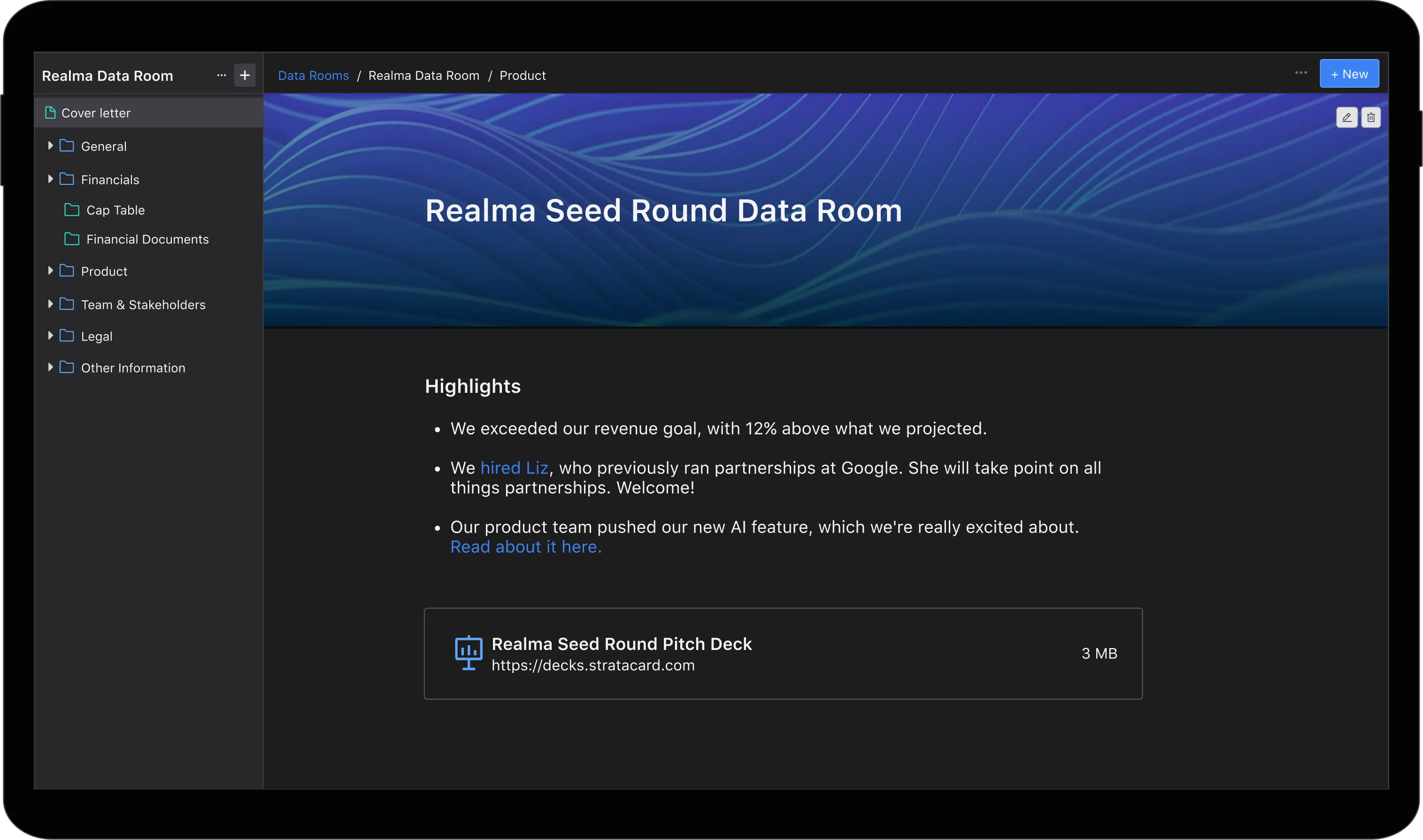
A well-structured, clearly labeled interface helps investors navigate directly to what they need. Tagging files by theme—financials, legal, product, traction—allows for quick access. Including a table of contents or welcome note can frame the story behind the numbers, making the room feel like a pitch continuation rather than a static file dump.
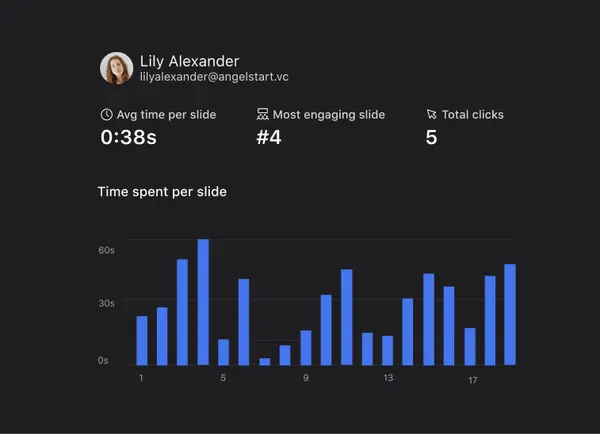
Using a high-quality virtual data room provider also gives you access to usage data. Founders can see which documents are viewed most, how often, and by whom. This insight helps tailor follow-up messaging, spot concerns early, and prioritize warm leads.
Investors appreciate efficiency and transparency. When your data room reflects these values, it reinforces your credibility—and often shortens the time from first meeting to term sheet.
Exploring Free and Affordable Data Room Options
Bootstrapped or pre-revenue founders often look for a free virtual data room for startups as a starting point. And with good reason: there are now several reputable free data room for startups that offer limited but functional versions of their platforms.
Choosing a free electronic data room provider in USA can offer the best of both worlds: local compliance and startup-centric features. Founders should be aware, however, that free tiers may come with limits on storage, collaborators, or document analytics.
Still, for very early-stage needs, these options offer a strong foundation. They allow founders to build a professional presence and meet investor expectations without upfront investment.
Choosing the Best Fit: Tailored Solutions for Startups
Ultimately, choosing the best virtual data room for startups depends on your current stage and future goals. Founders just starting out might gravitate toward the best data room for startups free—balancing functionality with affordability.
As the company scales, switching to a more advanced provider often becomes necessary. This is where deeper research into virtual data room providers, their long-term cost, integrations, and customer support becomes critical.
Evaluating not only current needs but also growth trajectories helps avoid outgrowing your platform or needing a disruptive migration during a critical fundraising cycle.
Final Thoughts: Building Confidence with the Right Data Room
The startup journey demands clarity, security, and trust. Founders who adopt a purpose-built solution from the outset—particularly one tailored to their region like the electronic data room providers in USA—send a strong message to investors: we’re serious, prepared, and ready to grow.
A virtual data room is more than a tool. It’s a signal.
Elizabeth Yin of Hustle Fund reads signals in both directions: "if your spidey senses are like, 'I don't trust this person,' I think you should end the process right there. Like never mind the data room."
When chosen wisely, it strengthens your narrative, protects your documents, and accelerates your fundraising process.
Frequently Asked Questions
What hidden costs should I watch for with an electronic data room provider?
Hidden costs cluster around user seat limits, storage expansion, and document uploads, and they surface as a company scales rather than at signup. Opaque pricing is a red flag on its own, so a founder should establish the full cost structure before committing to a provider.
How do I avoid a disruptive data room migration later?
Choose a provider that scales with the company or offers a seamless upgrade path, so a platform switch never lands in the middle of a fundraising cycle. Weigh growth trajectory alongside current needs, since a room that suits five documents and two collaborators will not carry a diligence process with 30 or more stakeholders and sensitive IP.
Why should an early-stage founder care about M&A data room standards?
Learning M&A data room standards early lets a founder build clean, auditable documentation from the start, which reduces friction if an acquisition opportunity arrives. The structure that carries a fundraise today can serve as the due diligence vault later, so the work carries forward rather than being redone.
Do data room providers offer plans built for startups?
Dedicated startup plans exist, packaged with fast onboarding and integrations with the CRM and investor tools a lean team already runs. US-focused providers package these alongside regional support, which matters when time is tight and the team is small.