























Key Takeaways
-
Accelerate Deal Velocity: A highly structured virtual data room is not an administrative burden; it is a strategic lever that builds immediate institutional trust and accelerates the path to a closed round.
-
Mitigate Risk and Streamline LP Reporting: In the 2026 venture climate, pristine documentation directly satisfies stringent investor due diligence frameworks, mitigating deal risk and simplifying downstream LP reporting.
-
Master the Folder Architecture: Organizing corporate assets into exact, stage-appropriate categories, from dynamic financial models to AI data provenance, eliminates friction and prevents costly diligence delays.
-
Deploy a Staged Access Strategy: Maintain ultimate deal leverage by compartmentalizing your data room, unlocking deep, institutional-grade documentation only after securing preliminary commitment.
-
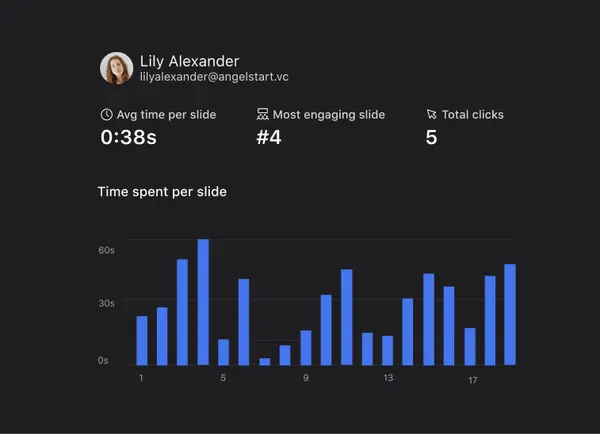
Leverage Document Analytics: Utilizing the best data room platforms provides granular insights into partner engagement, allowing you to gauge true investor intent and control the overall deal narrative.
Successfully navigating venture capital due diligence requires more than just a great pitch; it requires undeniable operational maturity. In the 2026 venture climate, where institutional investors face intensified pressure regarding LP reporting and risk mitigation, a disorganized document repository can instantly derail a term sheet. This guide outlines exactly how to build, structure, and deploy an institutional-grade data room to maintain deal leverage and accelerate your fundraise.
What is a data room?
A virtual data room (VDR) is a secure, highly organized digital repository used by founders during fundraising to store and share sensitive company information with venture capitalists. An optimized data room accelerates deal velocity, streamlines due diligence, and provides investors with the exact documentation required for rigorous risk mitigation and LP reporting.
In the current venture climate, sloppy documentation kills deals. According to 2026 private market benchmarks, VCs face intensified pressure regarding LP reporting and portfolio management, meaning institutional-grade due diligence is no longer optional. A pristine virtual data room signals operational maturity and directly impacts your deal velocity.
For startup founders, building this repository is not just an administrative checkbox—it is a strategic lever. Providing an intuitive, frictionless experience for an evaluating partner directly translates to higher conviction and a faster path to a closed round.
How to Set Up a Data Room for Investors (The 2026 Standard)
According to 2025 private market data, well-prepared founders with structured data rooms close funding rounds 2 to 4 weeks faster than average. Conversely, missing compliance or technical documentation can delay a Series A by over 60 days.
The Ultimate Startup Data Room Checklist: A Folder-by-Folder Guide
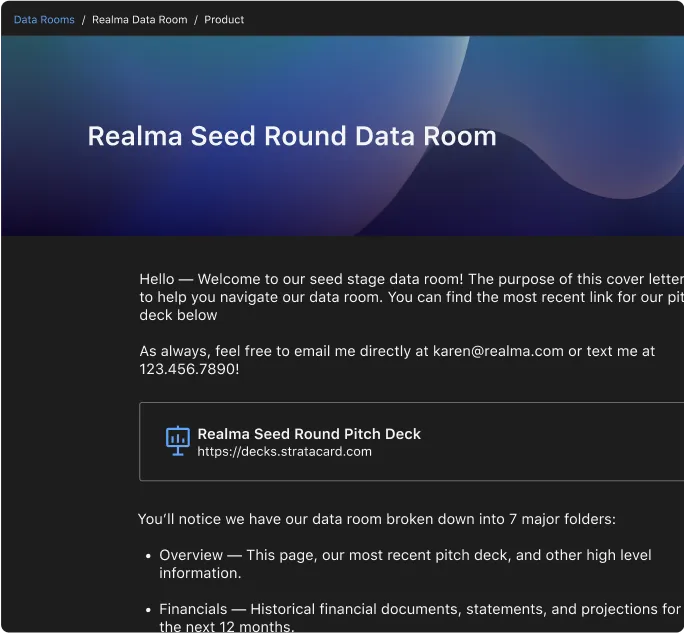
To survive VC scrutiny in 2026, your folder architecture must be flawless. Do not treat this repository as a digital dumping ground; treat it as an active extension of your pitch. Structure your virtual data room using these exact top-level folders:
1. Pitch & Executive Summary
This folder is the entry point for every evaluating partner. It must instantly reinforce the narrative you delivered during your initial meetings.
- What to include: Your current, finalized pitch deck, a 1-page executive summary, and the overarching investment memo.
- The VC Perspective: Associates look for narrative consistency. A highly structured executive summary acts as an internal championing tool, making it frictionless for an associate to pitch your startup to the wider partnership on Monday morning.
2. Financials (Historical & Projections)
According to 2026 venture capital deployment data, over 40% of early-stage deals face extended delays directly due to poorly formatted or unverified financial projections.
- What to include: Audited financial statements (last 24 months), a dynamic 3-to-5-year VC financial model template, current burn rate analysis, and unit economics (CAC, LTV, payback periods).
- The VC Perspective: Investors want to see the exact mechanical levers of your business. Green flags include a financial model with clear, adjustable assumptions. A static, hard-coded PDF immediately kills conviction and signals a lack of operational rigor.
3. Corporate & Legal
Your corporate folder proves your entity is legally sound and ready to absorb institutional capital without structural friction.
- What to include: Articles of incorporation, bylaws, board meeting minutes, and an exact, fully diluted startup cap table data room file.
- The VC Perspective: A pristine cap table is non-negotiable. Any discrepancies regarding issued options, convertible notes, or outstanding warrants will halt legal due diligence in its tracks.
4. Product & Technology
This section proves your technical moat and development velocity, ensuring the product matches the promise.
- What to include: The rolling product roadmap, system architecture diagrams, API documentation, and foundational IP assignments. Crucially for 2026, you must include AI data provenance and LLM licensing agreements.
- The VC Perspective: Technical partners scrutinize this folder to validate that your codebase is proprietary and scalable. Clear AI data rights are now a standard 2026 compliance requirement, not an optional bonus.
5. HR & Team
Capital is deployed into teams, not just products. Your HR folder must reflect a professional, compliant organization.
- What to include: Comprehensive founder bios, a clear organizational chart, standardized employment agreements, and a list of formalized advisors.
- The VC Perspective: Investors are looking to identify key-person risk and ensure all intellectual property generated by employees is legally assigned to the corporate entity. Standardized contracts accelerate legal review.
6. Go-To-Market & Sales
Traction is the ultimate risk mitigator. This folder must provide the raw, unfiltered data backing up your revenue and growth claims.
- What to include: Executed enterprise contracts, cohort retention and customer churn data, a verified sales pipeline, and a bottom-up Total Addressable Market (TAM) analysis.
- The VC Perspective: VCs will cross-reference your pipeline with your financial projections. Verifiable, organized enterprise contracts demonstrate that your sales motion is repeatable and ready for growth capital.
Data Room Requirements by Funding Stage (Pre-Seed to Growth)
A one-size-fits-all approach to due diligence is a guaranteed way to stall your fundraise. The architectural depth of a data room startup repository must scale seamlessly with your operational maturity. Over-engineering a Seed round room wastes valuable founder time, while under-preparing for a Series B triggers immediate red flags and delays deal velocity.
According to 2026 private market benchmarks, investors adjust their diligence frameworks radically based on the check size. To control the narrative, adapt your virtual data room for startups to exactly match the expectations of your current funding stage:
Pre-Seed and Seed (The Narrative Stage)
Early-stage institutional investors are underwriting the founders and the market potential, not exhaustive historical financials.
- The Focus: Highlighting the total addressable market (TAM), early product velocity, and the core team's ability to execute.
- Required Assets: A clean capitalization table, foundational incorporation documents, founder IP assignments, and a highly structured product roadmap. Overloading this stage with overly complex, hypothetical 5-year financial models often creates unnecessary friction and distracts from the core vision.
Series A (The Repeatability Stage)
At this inflection point, venture capitalists need concrete proof that your go-to-market engine is scalable and that deployed capital will directly translate to predictable growth.
- The Focus: Verifiable unit economics, cohort retention, and sales efficiency.
- Required Assets: CPA-reviewed financial statements, a dynamic 3-to-5-year financial model, executed enterprise contracts, and clear, empirical documentation of customer acquisition costs (CAC) versus lifetime value (LTV).
Series B and Growth (The Scaling & M&A Stage)
Growth equity firms and late-stage VCs are focused heavily on risk mitigation, enterprise compliance, and strict LP reporting obligations.
- The Focus: Complete legal immunity, airtight data privacy compliance, and undeniable market dominance.
- Required Assets: Multi-year audited financials, exhaustive board minutes, granular HR compliance records, and robust AI data provenance agreements (a non-negotiable diligence standard in 2026).
The Staged Access Strategy: Controlling the Diligence Narrative
A critical execution error many founders make is granting full, unbridled access to their entire data room after a single introductory call. Handing over your entire corporate history to a window-shopping associate surrenders your deal leverage and needlessly exposes highly sensitive information.
According to 2026 venture transaction benchmarks, founders who enforce a staged data room protocol maintain significantly stronger deal velocity. They filter out low-intent investors early while protecting proprietary assets. To demonstrate elite operational maturity, you must compartmentalize your virtual data room into strategic diligence phases:
- Phase 1: Initial Diligence (Building Conviction): Following a successful partner meeting, grant access strictly to top-level narrative and performance data. This includes your extended pitch deck, a one-page executive summary, and high-level historical financials.
- The VC Perspective: This provides the exact ammunition an associate needs to draft an internal investment memo and champion your deal to the broader partnership, without triggering a premature legal audit.
- Phase 2: Deep Diligence (Risk Mitigation & LP Reporting): Only unlock this secondary tier once a firm has explicitly committed to advanced diligence or issued a preliminary term sheet. This highly restricted vault houses your fully diluted cap table, raw customer enterprise contracts, IP assignments, and detailed employee agreements.
- The VC Perspective: At this stage, the firm is no longer evaluating your narrative; they are actively underwriting the risk. This phase provides the rigorous, institutional-grade documentation required to satisfy their internal compliance and ultimate LP reporting requirements.
Evaluating the Best Data Room Platforms for 2026
When structuring your due diligence materials, the platform you select is just as critical as the files within it. Founders must prioritize robust security, advanced audit logging to gauge investor intent, and a frictionless UI that keeps partners focused on the deal, not on navigating clunky software.
Top Virtual Data Room Providers
Here is how the top tiers break down for startup founders in 2026 when searching for the best data room platforms:
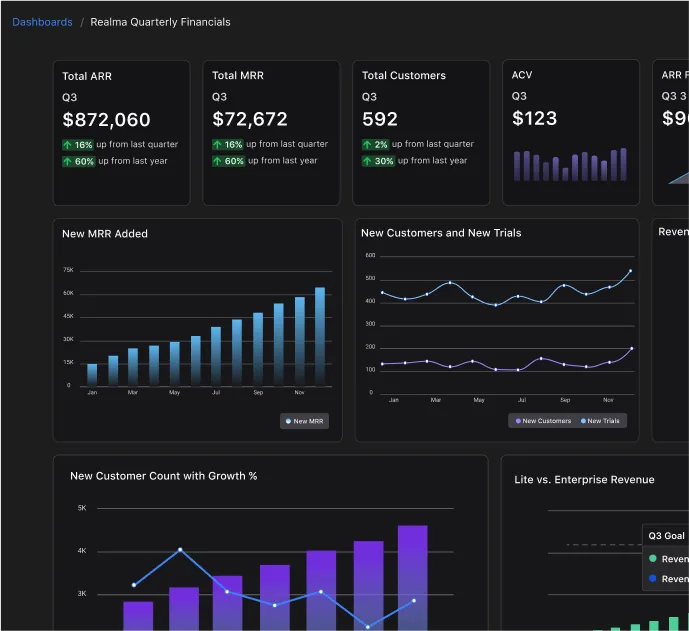
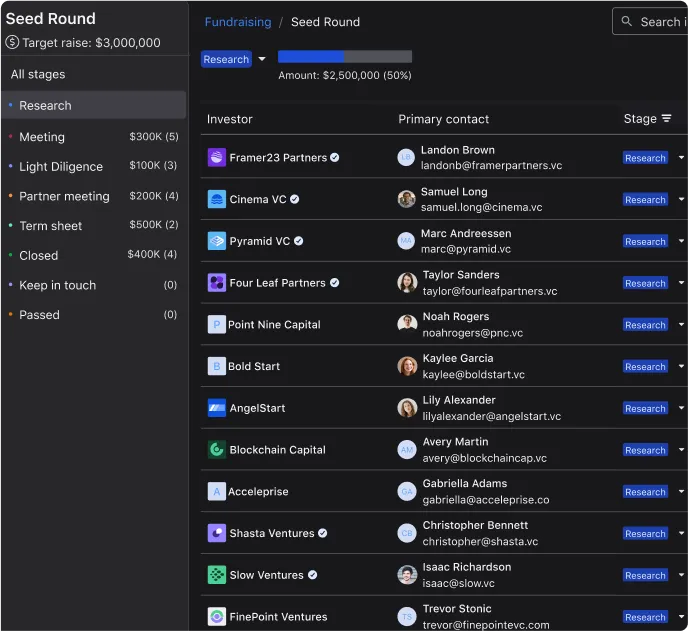
- Dedicated Fundraising Platforms (e.g., Visible): The best data room for startups combines secure document hosting with an integrated investor CRM. These platforms offer granular analytics, allowing you to see exactly which partner viewed your financial model and for how long. This intelligence is critical for managing deal velocity, surfacing high-intent investors, and prioritizing your follow-ups.
- Enterprise-Grade VDRs: Best suited for late-stage (Series C+) rounds or complex M&A events. These virtual data room providers deliver rigorous compliance standardizations, granular Digital Rights Management (DRM), and heavy-duty Q&A modules necessary for exhaustive legal due diligence.
- Lightweight Cloud Storage (e.g., Google Workspace, Notion): Often utilized as a free data room for startups at the Pre-Seed or friends-and-family stage. While incredibly cost-effective in the early days, they critically lack the robust access controls, document-level analytics, and professional optics required by institutional VCs at Series A and beyond.
Data Room Pitfalls That Derail Term Sheets
According to 2025 private market analysis, over 30% of deals that collapse during the due diligence phase are directly attributed to disorganized historical financials, unresolved cap table discrepancies, or missing IP assignments.
To mitigate risk and maintain momentum, founders must strictly avoid these common execution failures:
- Data Dumps: Do not upload hundreds of unindexed PDFs. If an associate cannot find your Q3 2025 burn rate in under 60 seconds, your deal velocity drops.
- Stale Cap Tables: Presenting a cap table that does not perfectly reflect all issued options, convertible notes, and warrants is an immediate red flag for institutional investors.
- Ignoring Access Analytics: Failing to monitor which partners are viewing specific documents (like the financial model vs. the product roadmap) means flying blind into your follow-up meetings.
Frequently Asked Questions
What should be in a data room for investors?
A comprehensive data room for investors must include a current pitch deck, historical and projected financials, a fully diluted cap table, corporate bylaws, product roadmaps, and key employee agreements. Organizing these documents meticulously proves operational maturity and accelerates the venture capital due diligence process.
When should a founder set up a virtual data room?
Founders should build their virtual data room before formally kicking off their fundraise. Proactively organizing your due diligence materials ensures you can immediately grant Phase 1 access to interested partners, signaling elite preparation and preventing momentum-killing delays during the deal cycle.
How do you structure a startup data room?
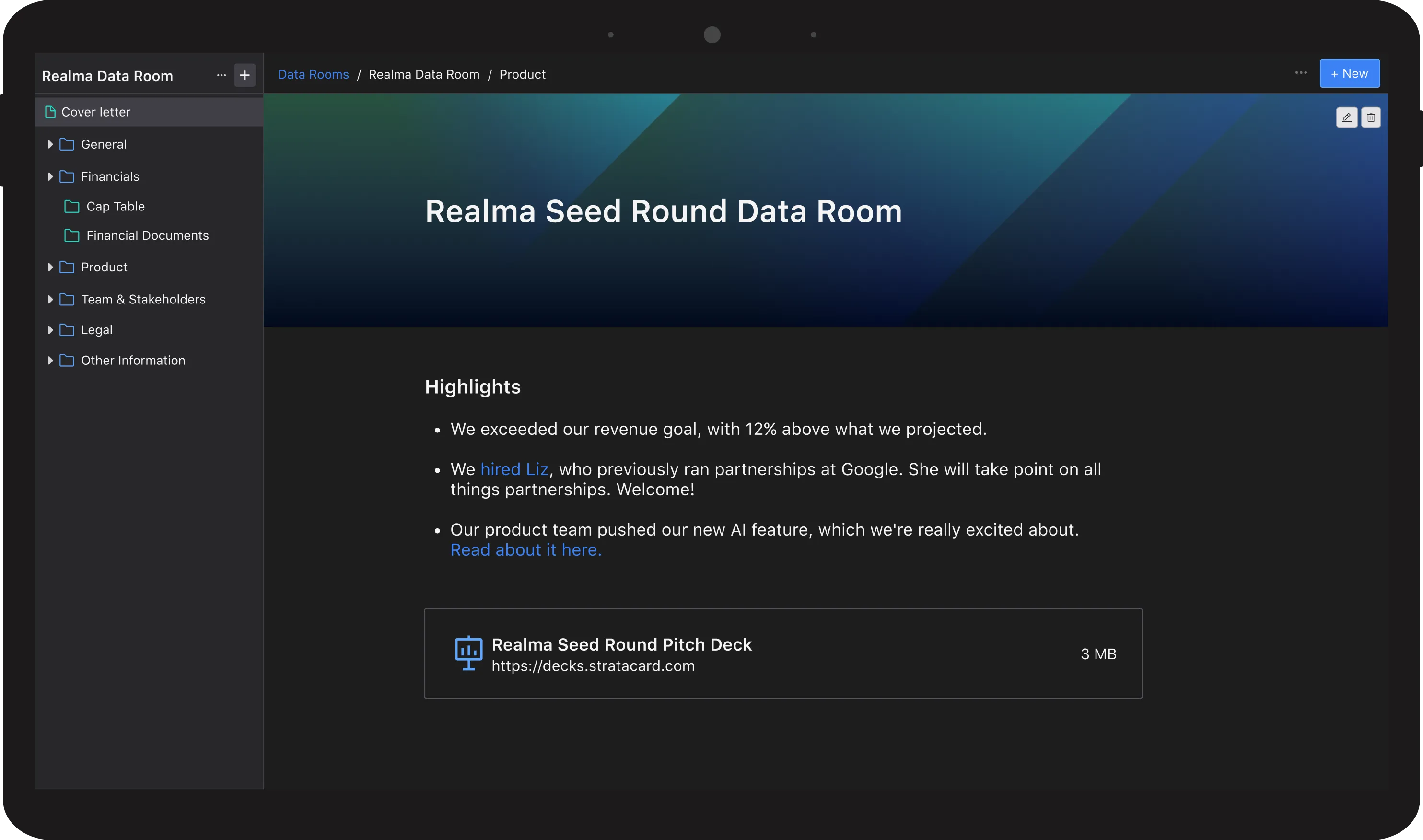
Structure your virtual data room into distinct, highly logical folders: Pitch & Executive Summary, Financials, Corporate & Legal, Product & Technology, HR & Team, and Go-To-Market & Sales. In 2026, this exact architecture mirrors a venture capitalist's internal underwriting process, minimizing friction and mitigating risk.
Who should have access to a startup's data room?
Access should be strictly gated using a staged access strategy. Grant top-level narrative and financial access (Phase 1) to associates building an initial investment memo. Reserve the fully diluted cap table and sensitive IP documents (Phase 2) exclusively for partners who have explicitly committed to deep diligence.
What is the best data room for startups?
The best data room for startups combines secure document hosting with advanced investor analytics. Platforms like Visible allow founders to track exactly which venture capitalists are viewing specific documents, turning static file storage into actionable intelligence to accelerate term sheets and close rounds faster.